For inherited diseases, desired traits, colour variants, coat characteristics and other genetic traits where no reliable test is currently available.
Some hereditary diseases or traits are clearly present in a breed, line or population, but are not yet available in a standard test catalogue. That does not mean research is impossible. It means the right question still needs to be translated into genetic investigation.
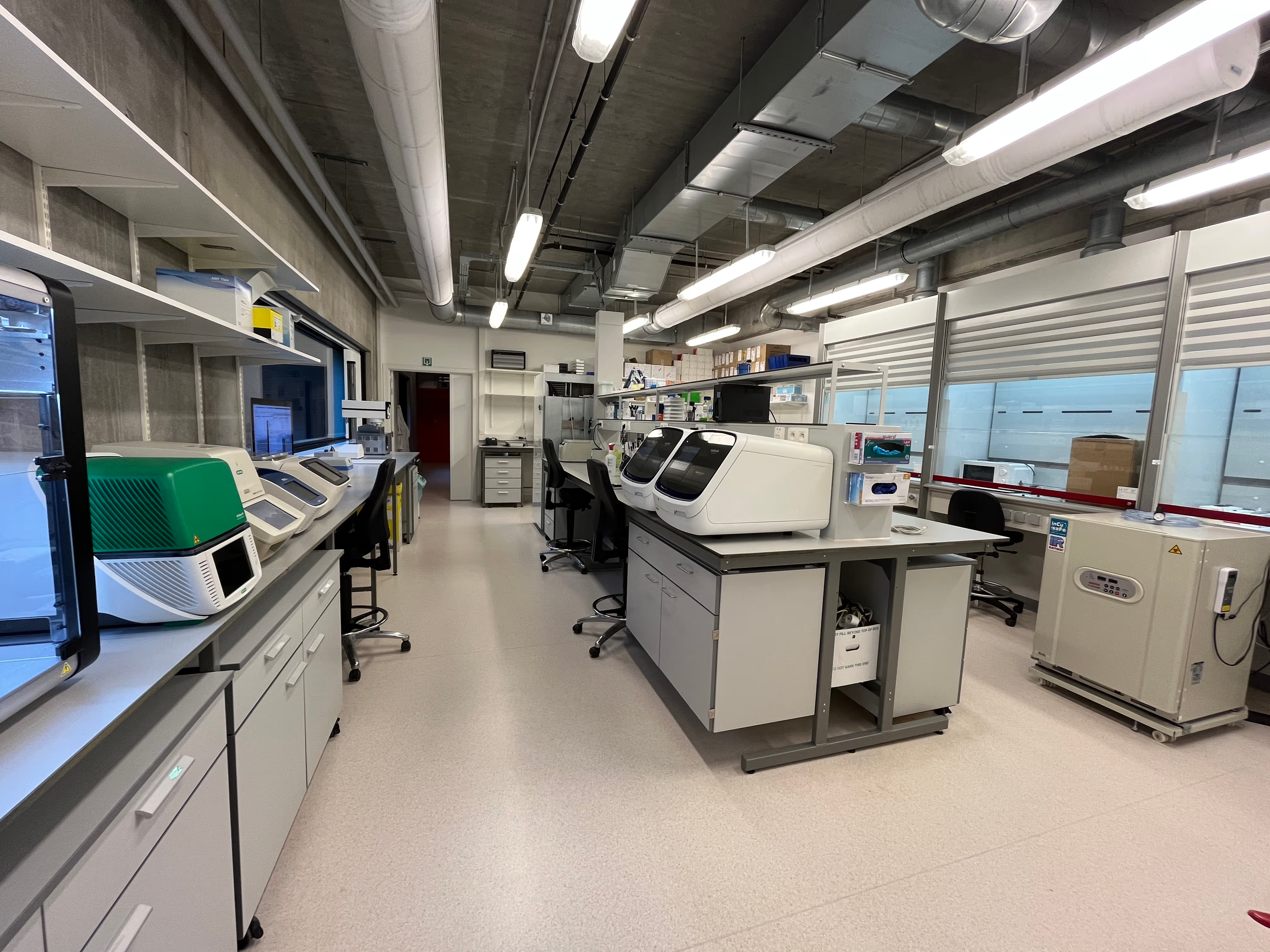
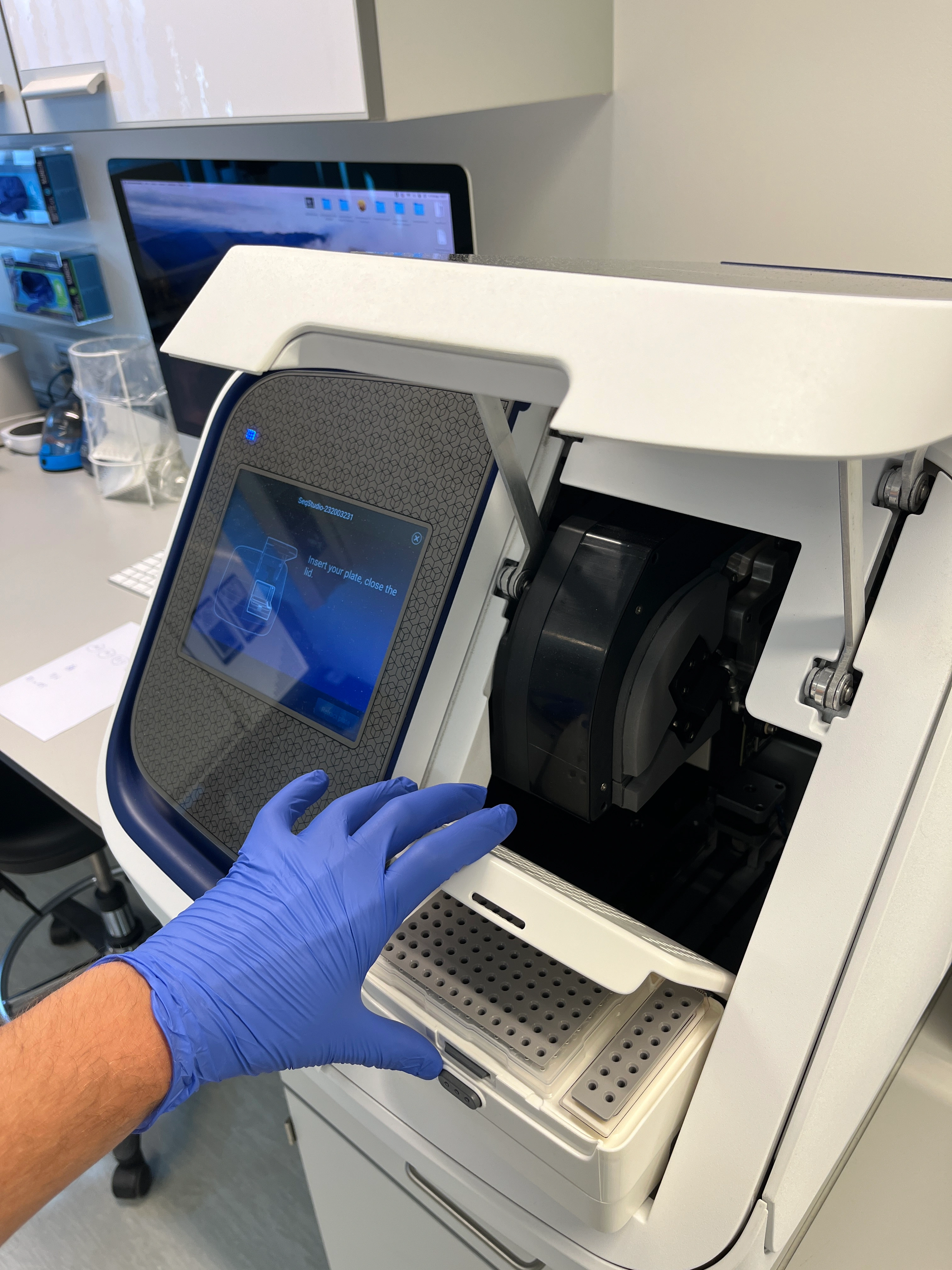
PentaVet helps breeders, veterinarians, breed clubs and owners approach these questions in a structured way: from a first suspicion or recurring pattern to feasibility assessment, sample collection and, where possible, the development of a new DNA test.
You can submit a request when you suspect a hereditary pattern for which no suitable test is currently available. This may include a condition that appears more often within one breed, a disorder recurring in related lines, a striking physical trait, a metabolic disorder or another phenotype that may have a genetic basis.
Custom development may also be relevant when scientific literature already exists, but no practical test is available yet for your species, breed or population.
A new DNA test can help move a breed forward without unnecessarily excluding valuable lines. By identifying carriers, risk animals or relevant genetic variation more clearly, breeders can make better-informed combinations while still protecting genetic diversity.
Custom test development is especially valuable when several breeders or a breed club share the same concern. The stronger the clinical information, pedigree data and samples from related animals, the better the chance of detecting a meaningful genetic pattern.

Veterinarians are often the first to notice that a condition may not be an isolated case. A patient with an unusual clinical presentation, several related animals with similar signs or a breed in which a disorder appears repeatedly can be the starting point for targeted genetic research.
PentaVet helps define what information is needed: clinical diagnosis, age of onset, relatedness, available samples, possible control animals and relevant medical history. This turns an individual case into information that may become useful for future diagnostics.

1. You describe the disease, trait or pattern you are seeing.
2. PentaVet reviews the available information, literature and technical feasibility.
3. We advise which animals and samples are most valuable for investigation.
4. If the case is suitable, a research approach is prepared.
5. With sufficient evidence and validation, the project may lead to a new DNA test in the PentaVet portfolio.
Not every request immediately leads to a test. Some questions require additional samples, clearer phenotyping or collaboration between several owners, breeders or veterinarians. But every strong case starts with someone recognising the pattern and asking the question.