Turnaround time
10 workdays


48.4
40
Genetic test for the TFEC-related piebald variant in ball pythons.
Overview
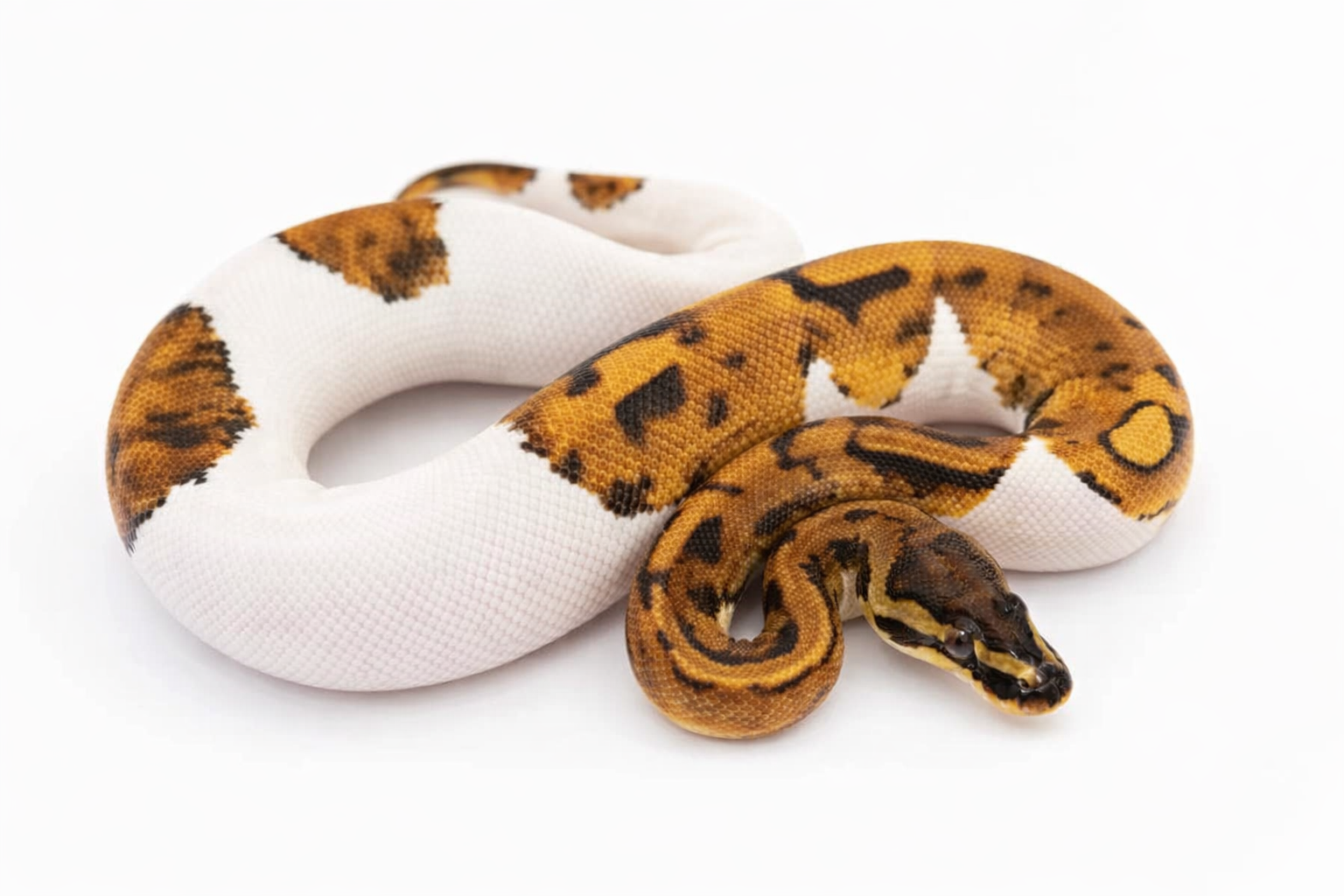
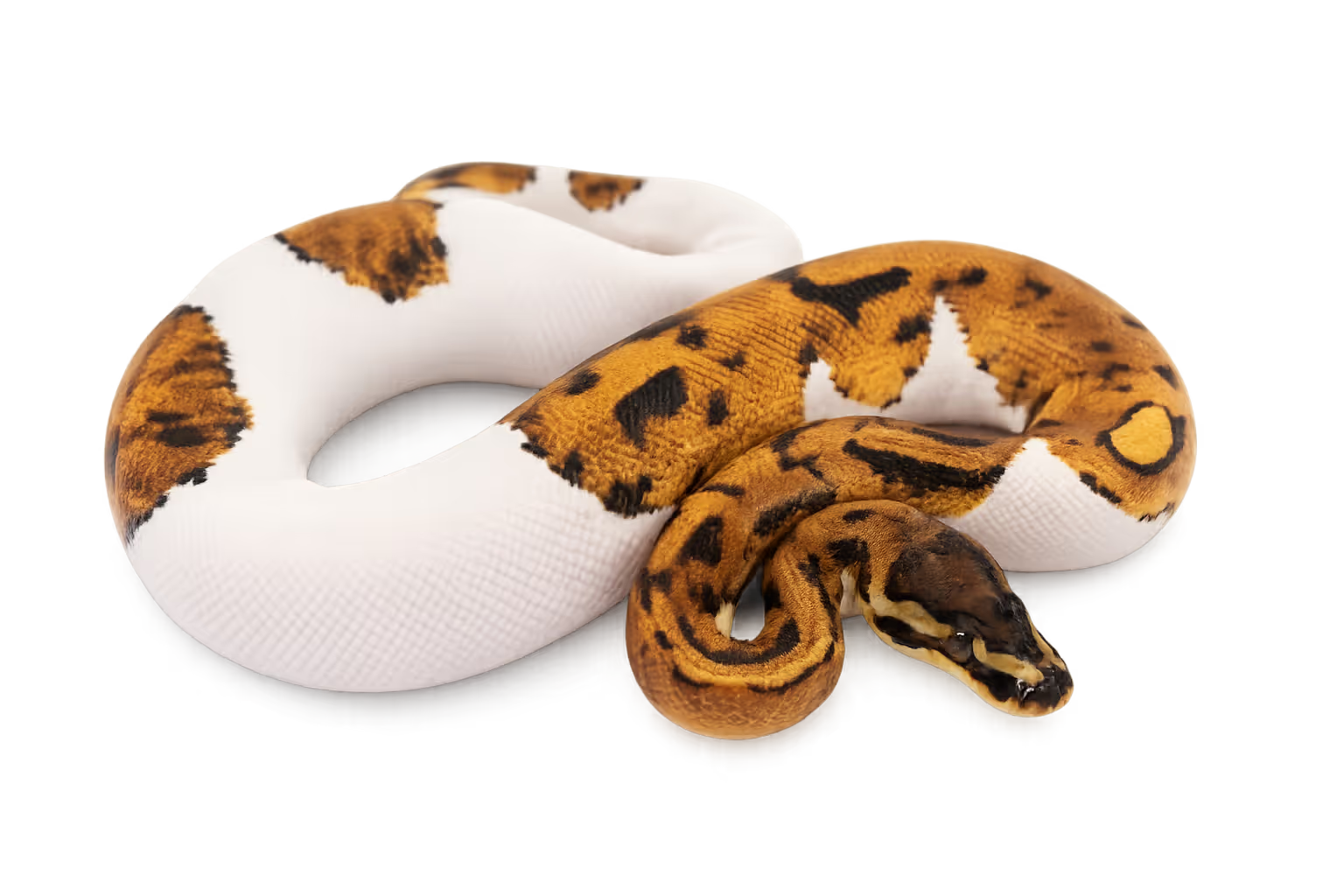
This genetic test determines whether a ball python (Python regius) carries the tested TFEC variant associated with the piebald phenotype. This phenotype is characterized by clearly visible areas of unpigmented or lighter-colored skin, interrupting parts of the normal color and pattern. The extent of these lighter areas can vary from small white patches to larger, more striking sections of the body.
The piebald trait is generally inherited in an autosomal recessive manner. This means that an animal usually needs to inherit two copies of the tested variant to develop the typical piebald appearance. Animals with only one copy are generally carriers: they usually do not show the phenotype themselves, but they can pass the variant on to their offspring. As a result, appearance alone is not always enough to determine with certainty whether an animal is genetically clear or a carrier of the tested variant.
This analysis can determine whether the tested animal is clear, a carrier, or positive for the tested variant. A clear result indicates that the tested variant was not detected. A carrier result means that one copy of the variant is present. A positive result means that two copies of the tested variant were identified, which is consistent with the genetic profile associated with the piebald phenotype.
This information is particularly valuable for breeders and owners who want greater certainty about the genetic background of their animal. The test supports well-informed breeding decisions, helps estimate the expected outcomes of pairings more accurately, and makes it possible to identify hidden carrier status. This is especially relevant for recessive traits, because animals without a visibly unusual pattern may still be genetically important within a breeding program.
In addition, the result helps interpret the observed appearance more accurately. Not every unusual or striking color pattern arises from the same genetic cause. By testing specifically for this variant, you gain clearer insight into the presence of a specific genetic factor associated with piebald. This makes interpretation more precise than relying on phenotype alone.
For customers working specifically on pairings, line development, or confirmation of genetic status, this analysis therefore offers clear practical value. You receive an objective genetic result that can contribute to greater certainty, better planning, and a more informed interpretation of the animal and its potential offspring.
As with any DNA analysis, this test relates to the specific variant being examined. The result should therefore always be interpreted in the context of the tested genetic change and the available knowledge about this trait. Within that context, this test is a targeted tool for assessing genetic status for piebald more accurately.
Included subanalyses
This analysis includes the following subanalysis:
Phenotypes
Allele combinations & result interpretations
Sampling and submission guidelines
References