Turnaround time
10 workdays


48.4
40
Genetic test for the GCH2-related Axanthic variant in ball pythons.
Overview
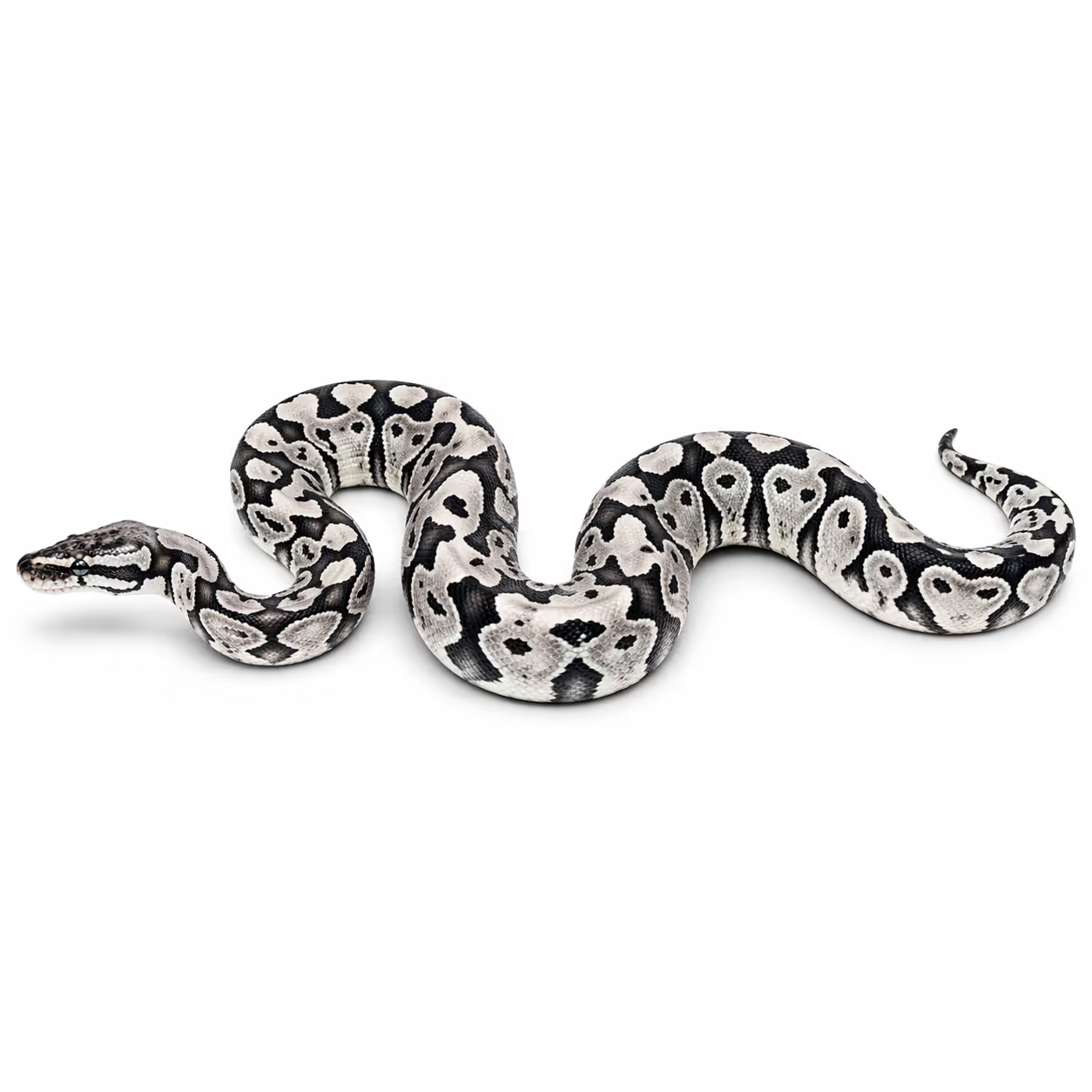
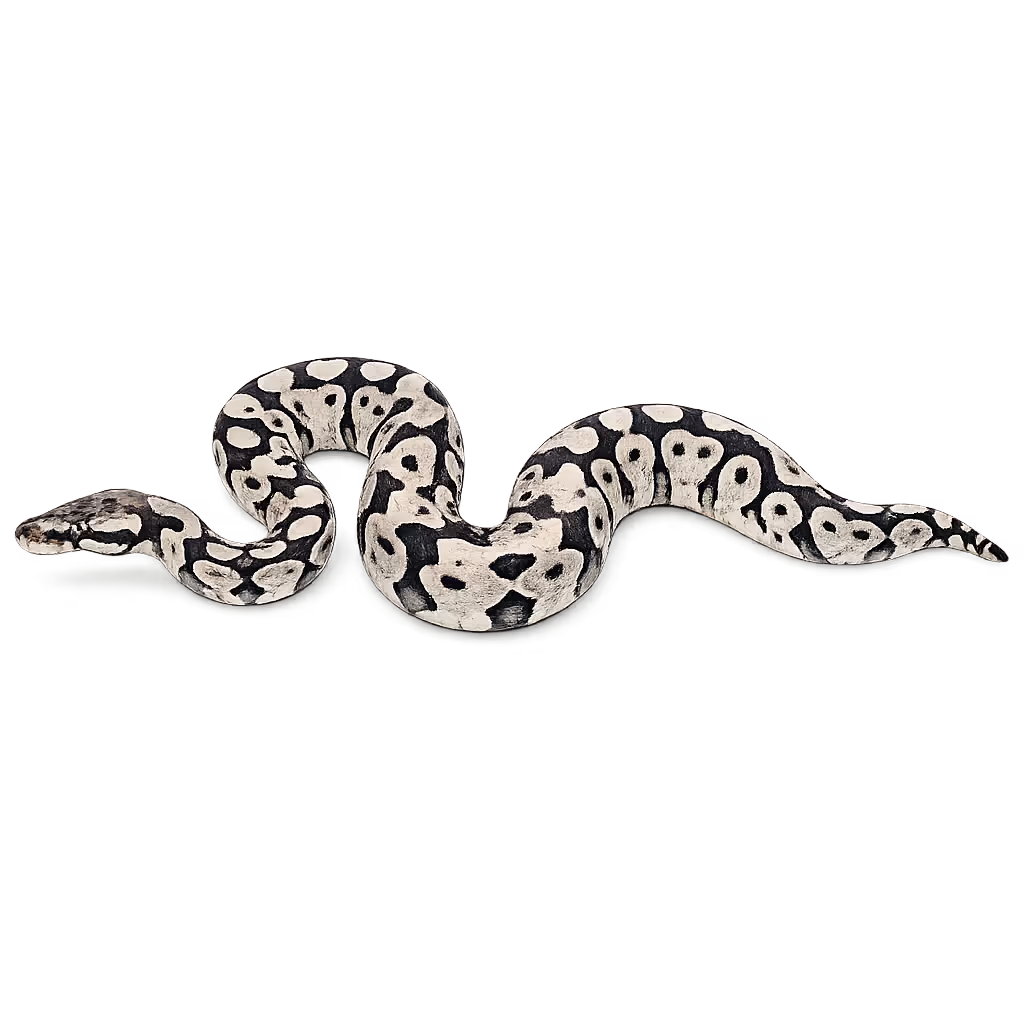
This analysis examines the GCH2 c.520C>T variant associated with Axanthic in the ball python. Axanthic animals lack much of the usual yellow pigment, which typically results in a cooler gray-to-black appearance while preserving the underlying pattern.
For this variant, Axanthic is a recessively inherited trait. This means animals with two copies of the tested variant may be positive for the trait, while animals with one copy are carriers. Carriers can pass the variant on to their offspring, even if they usually do not show a fully axanthic appearance themselves.
This test helps determine whether an animal is clear, carrier, or positive for the tested GCH2 variant. That information is useful for accurate phenotype interpretation, informed breeding decisions, and better planning of pairings within a breeding program.
Please note that this analysis targets this specific variant. Other genetic factors and other axanthic lines may also influence the final appearance. A normal result therefore does not automatically exclude all other genetic causes of an axanthic-like phenotype.
Included subanalyses
This analysis includes the following subanalysis:
Phenotypes
Allele combinations & result interpretations
Sampling and submission guidelines
References